
Heat Recovery Ventilators: types, performance, lifespan and cost
Compare the main heat recovery ventilators types by installation scale, duct arrangement, climate, and recovery performance, then choose the guide that matches your building, climate and operating priorities.
How this collection is organised
This category hub explains the main decisions involved in selecting heat recovery ventilators. Use the six subtype guides below to compare equipment design, performance, efficiency, durability, maintenance and installation needs.
Primary division basis: Installation scale, duct arrangement, climate, and recovery performance.
What every guide covers
- Product overview and operating principle
- Sizing and performance accuracy
- Efficiency and operating cost
- Lifespan and maintenance expense
- Installation complexity and best applications
Explore the six Heat Recovery Ventilators types
Select a subtype for a focused comparison and buying guide.
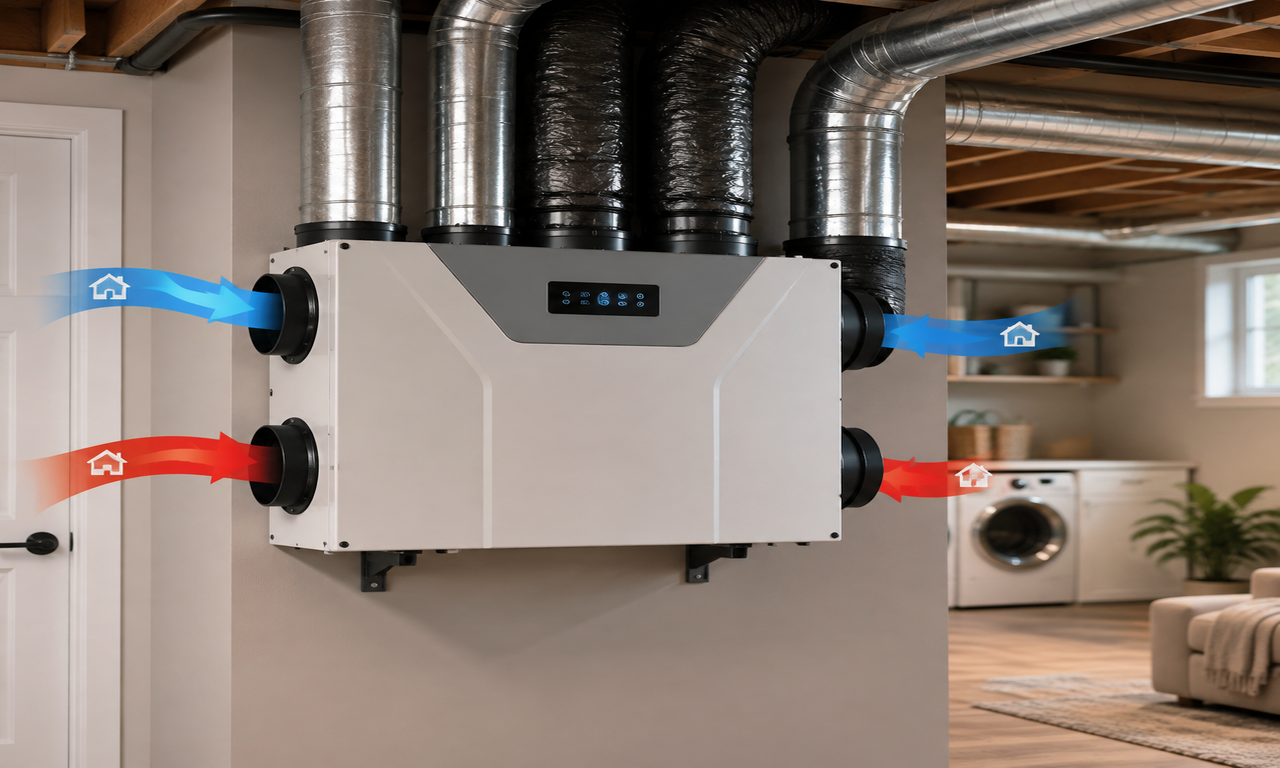
Residential HRVs
Residential HRVs deliver fresh air, remove stale humidity, recover heat, enhance comfort, improve air quality, and reduce household energy consumption.
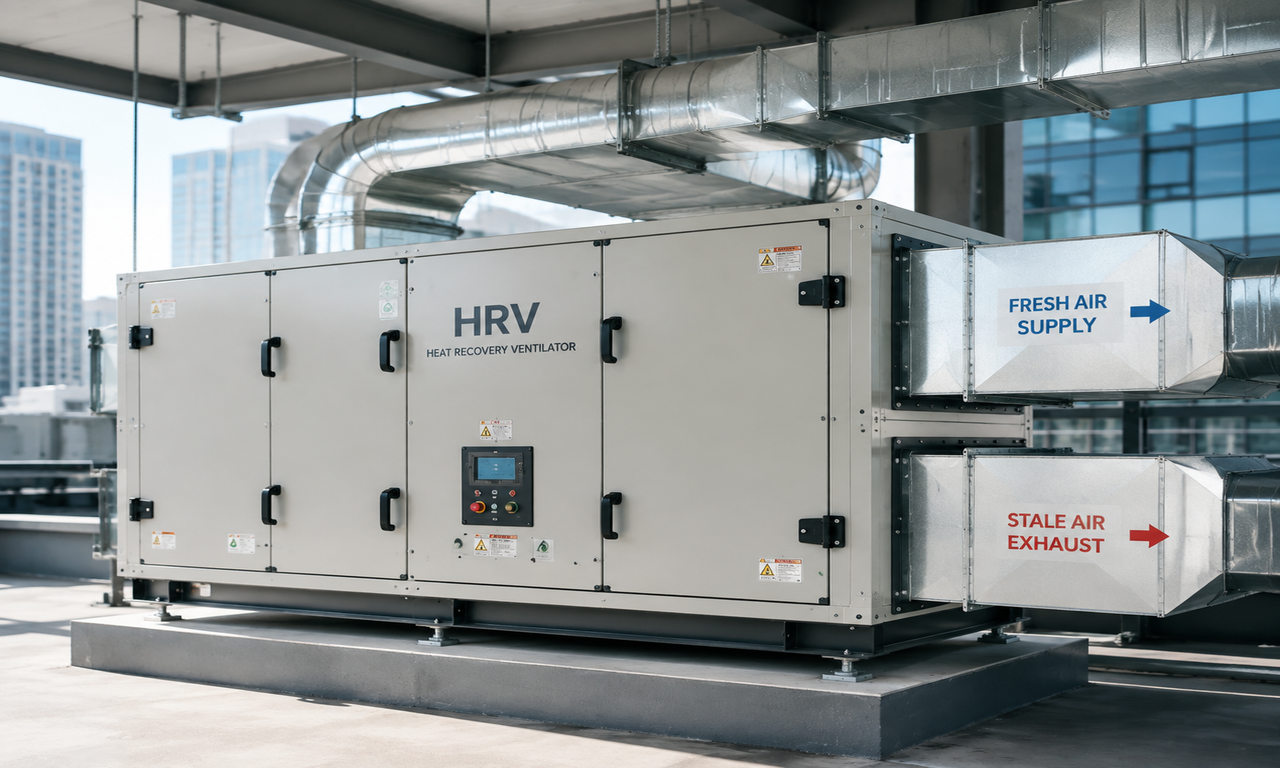
Commercial HRVs
Commercial HRVs bring fresh air indoors, remove stale air, recover heat, enhance comfort, and improve overall energy efficiency in commercial buildings.
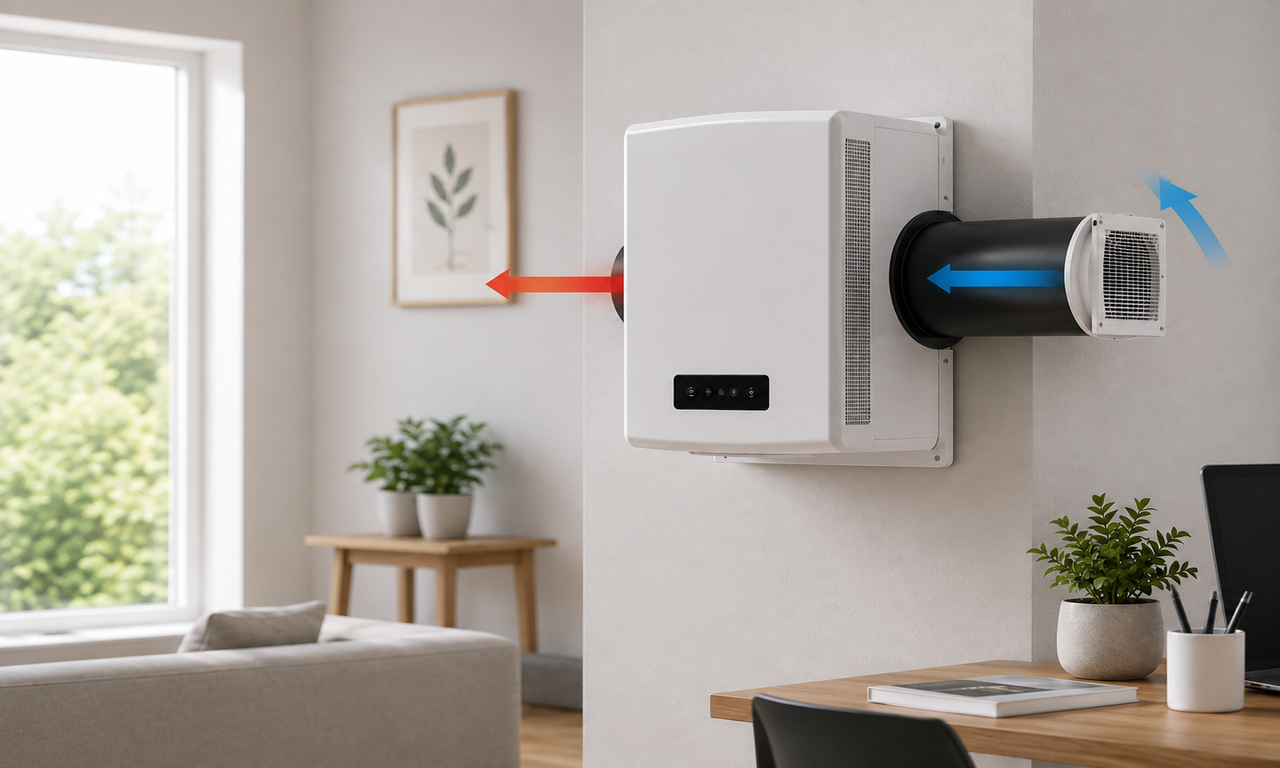
Single-Room HRVs
Single-Room HRVs provide fresh air, remove stale indoor air, improve air quality, enhance comfort, and help reduce energy loss efficiently.
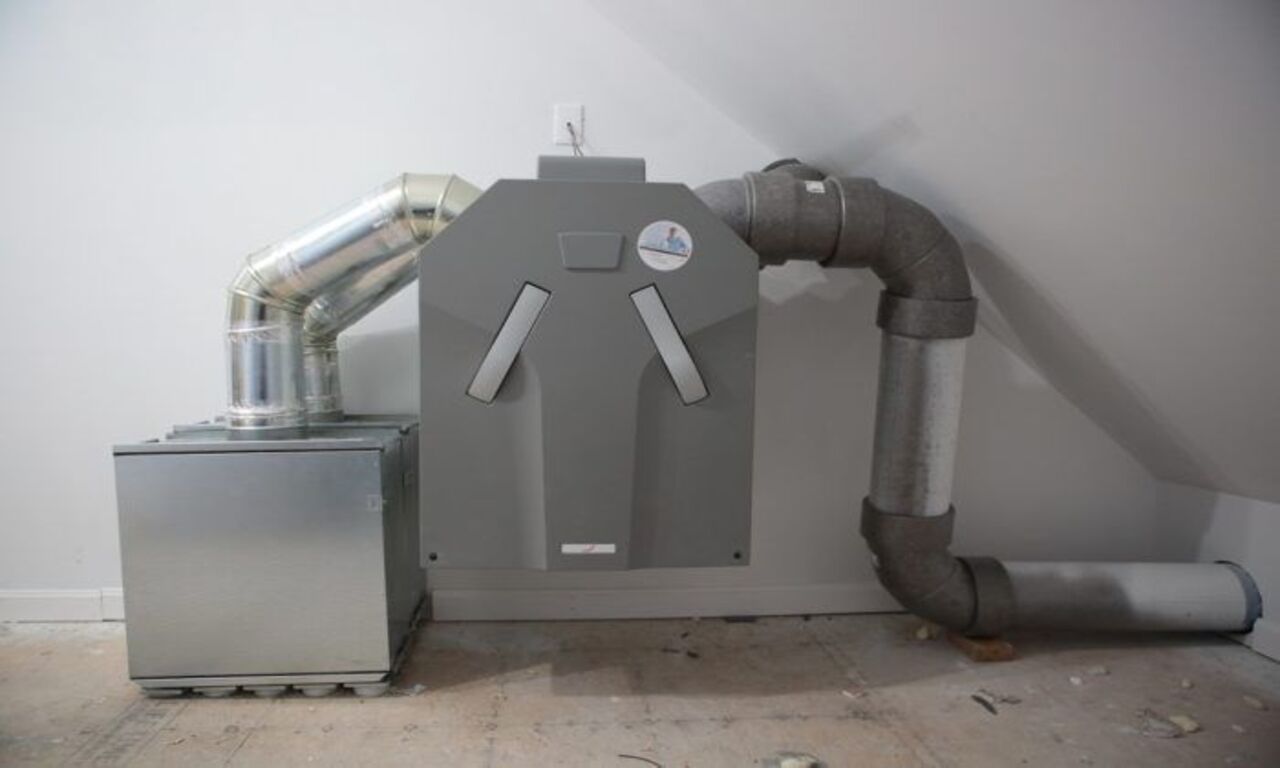
Ducted Whole-House HRVs
Ducted Whole-House HRVs deliver fresh air throughout the entire homeThey remove stale air while improving comfort and energy efficiency.
Cold-Climate HRVs
Cold-Climate HRVs provide fresh air in low temperatures.They recover heat to improve comfort and save energy.
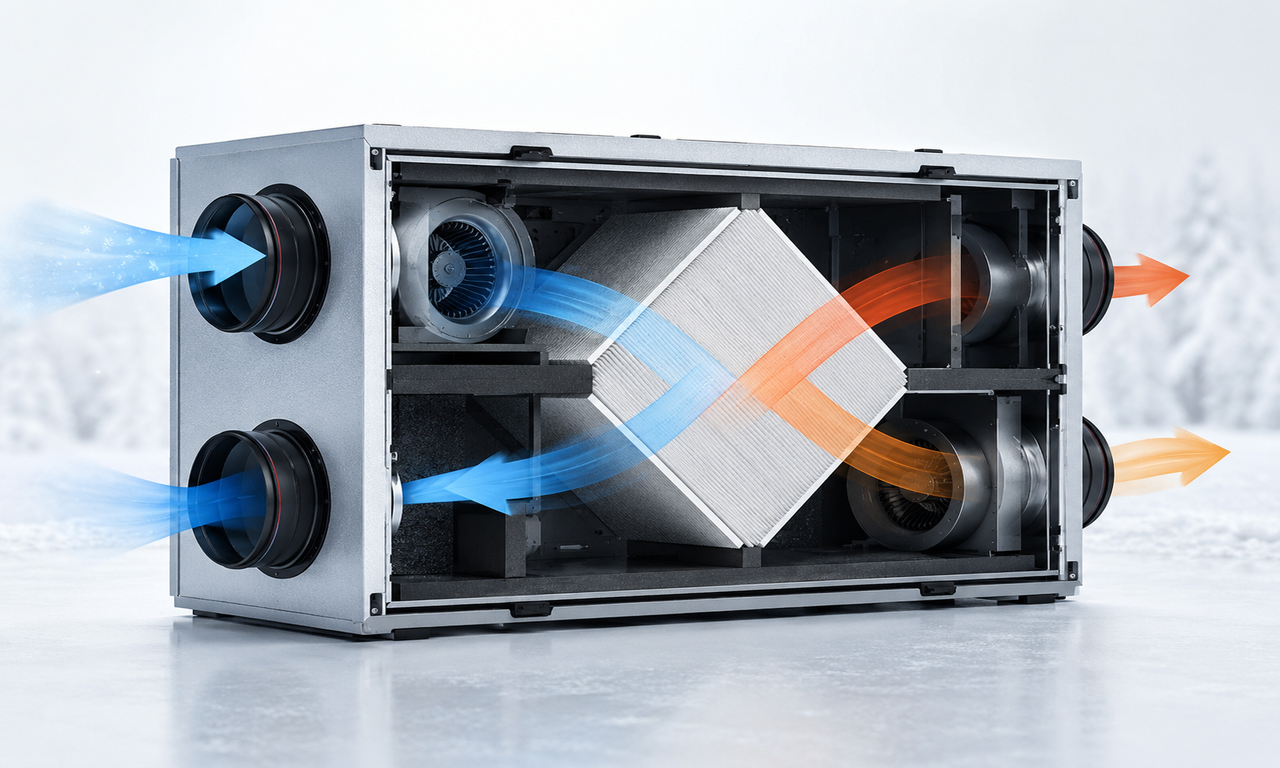
High-Efficiency HRVs
High-Efficiency HRVs provide fresh air with minimal energy loss.They recover more heat to improve comfort and efficiency.
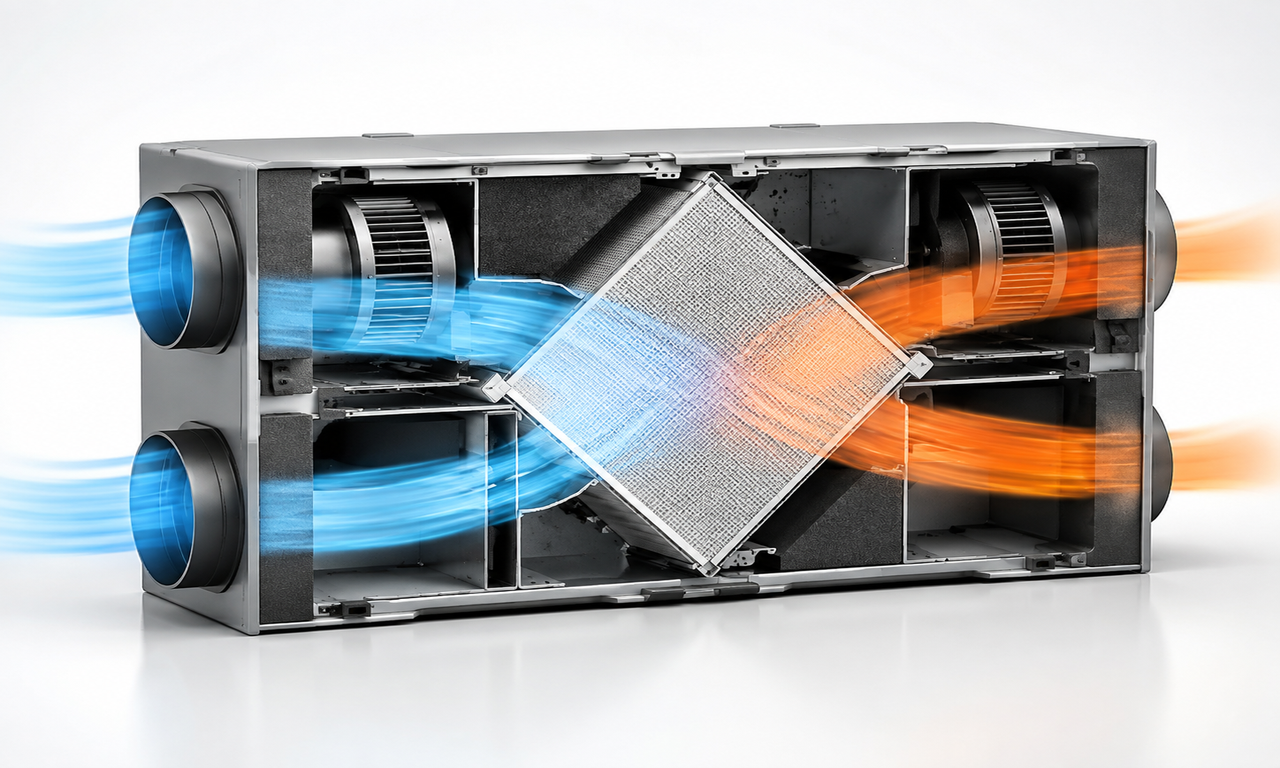
Key comparison criteria
Do not compare models on price alone. The relevant decision factors for this collection include:
- Overview
- product types
- sizing
- efficiency
- durability
- maintenance
- cost
- best applications
Use the total-cost view
Evaluate purchase price together with installation, energy use, routine service, likely repairs, replacement intervals and any supporting equipment the system requires.
Proper load calculations and installation quality can affect comfort and operating cost as much as the product label.
Editorial and safety note
Ready to compare the right subtype?
Open a guide above, or contact us with your property and comfort requirements.