
Furnaces collection: types, on the basis of performance, lifespan and cost
Discover our furnace collection and compare the common options based on fuel source, combustion technology, heating stage design, energy efficiency, lifespan, installation cost, and operating expense.
How these collections are organized
Below are six subtype are explained on the basis on comparing equipment design, performance, efficiency, durability, maintenance, and installation requirements.
What every guide covers
- Product overview and operating principle
- Sizing and performance accuracy
- Efficiency and operating cost
- Lifespan and maintenance expense
- Installation complexity and best applications
Explore the Furnaces types
Natural Gas Furnaces
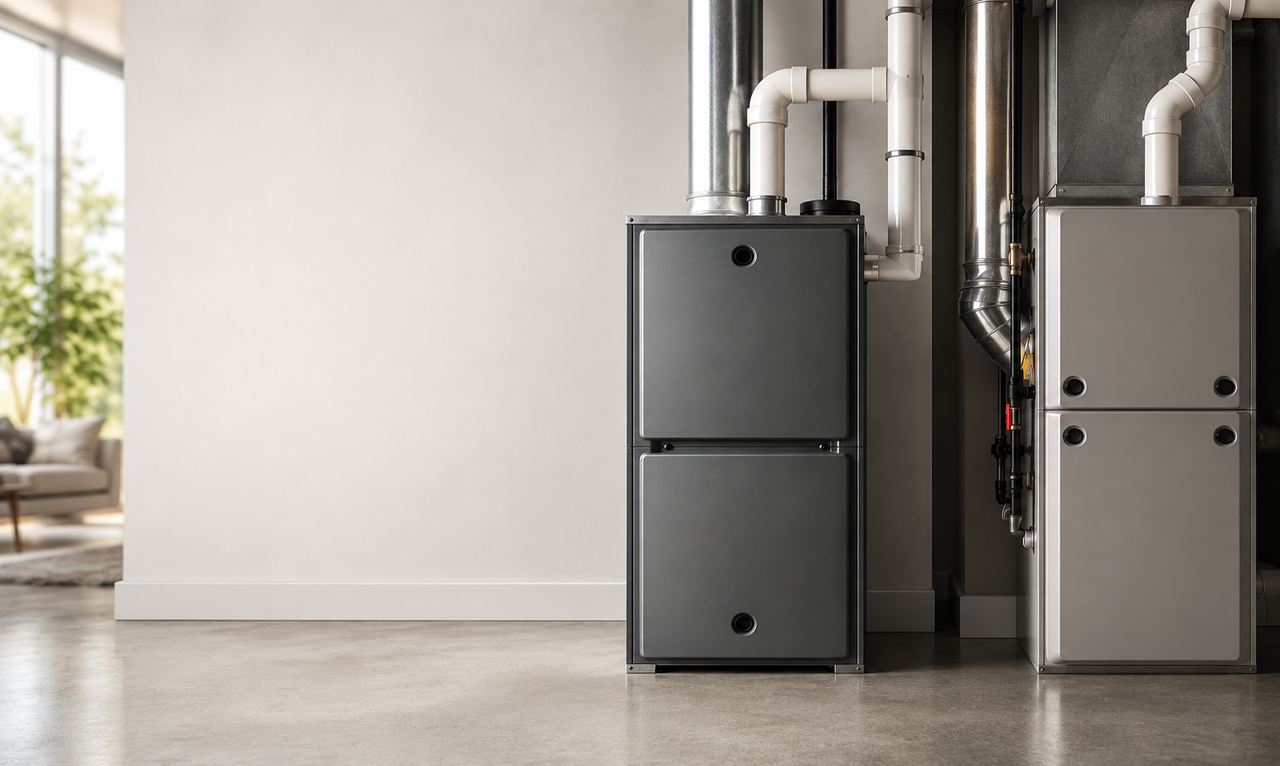
A natural gas furnaces is a home heating system that burns natural gas to warm air. A fan then pushes this warm air through metal ducts to heat rooms inside a building.
Electric Furnaces
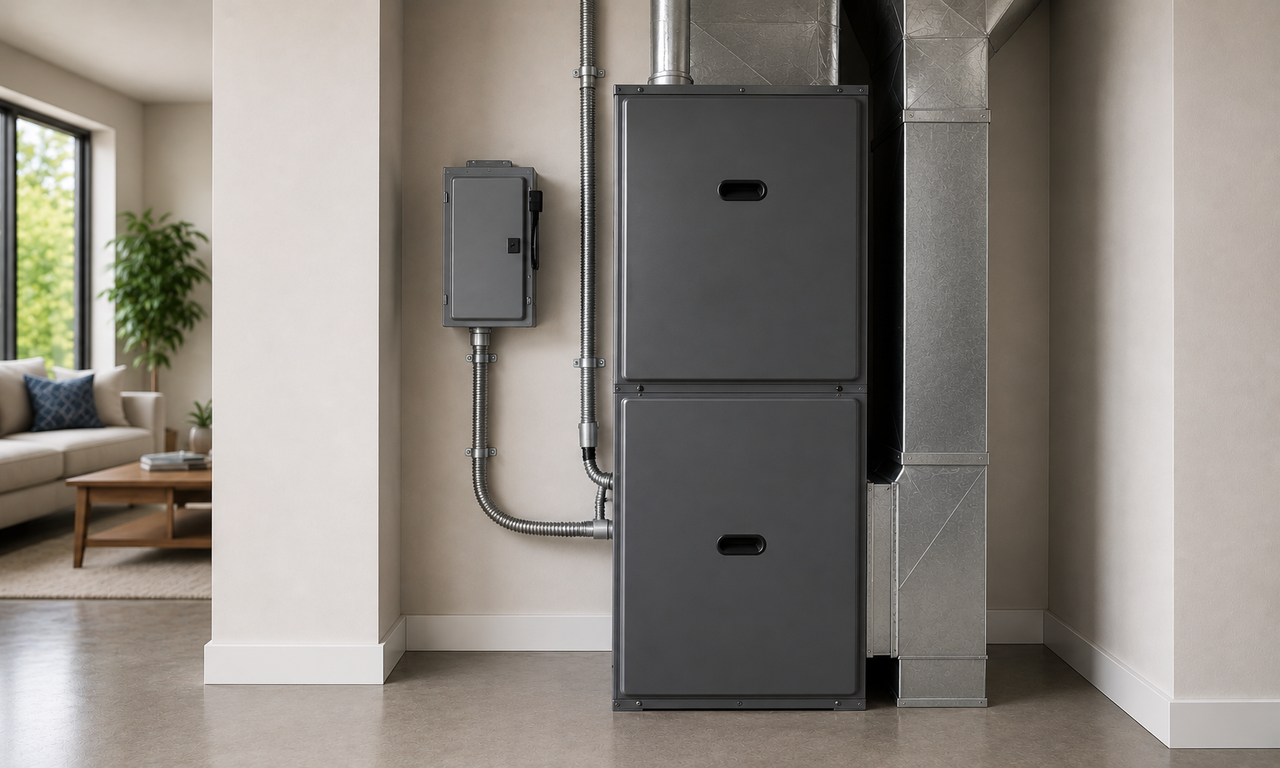
An electric furnace is a heating system that uses electricity to make the air warm. It works by using electricity through metal coils and warms the air space.
Oil Furnaces
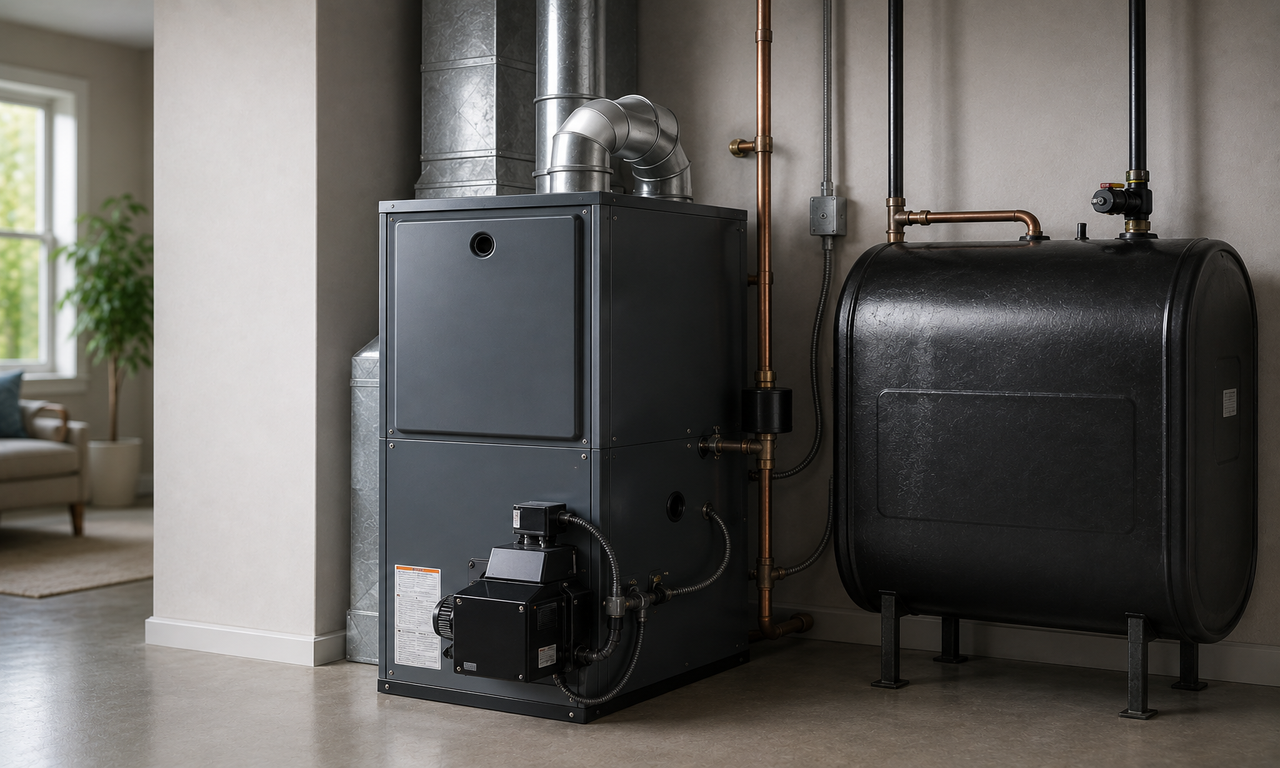
An Oil furnace provides reliable and energy-efficient heating. Routine service will keep your furnace safe and operational during winter’s chilliest months.
Propane Furnaces
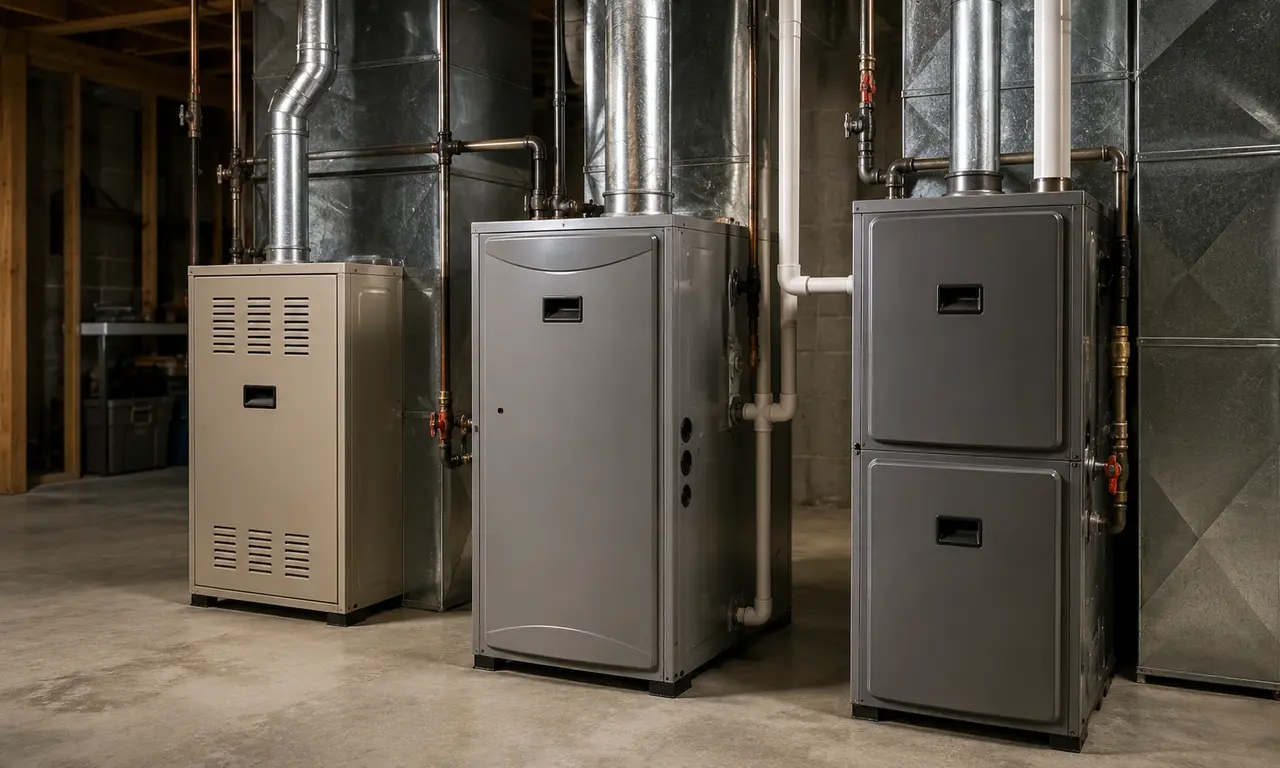
A Propane furnace offers reliable and energy-efficient heating for colder months. Regular servicing keeps your furnace safe and effective during those harsher months.
Single-Stage Furnaces
A Single stage furnaces provide simple, reliable heating for homes. Regular servicing helps to ensure that it continues operating safely and efficiently.
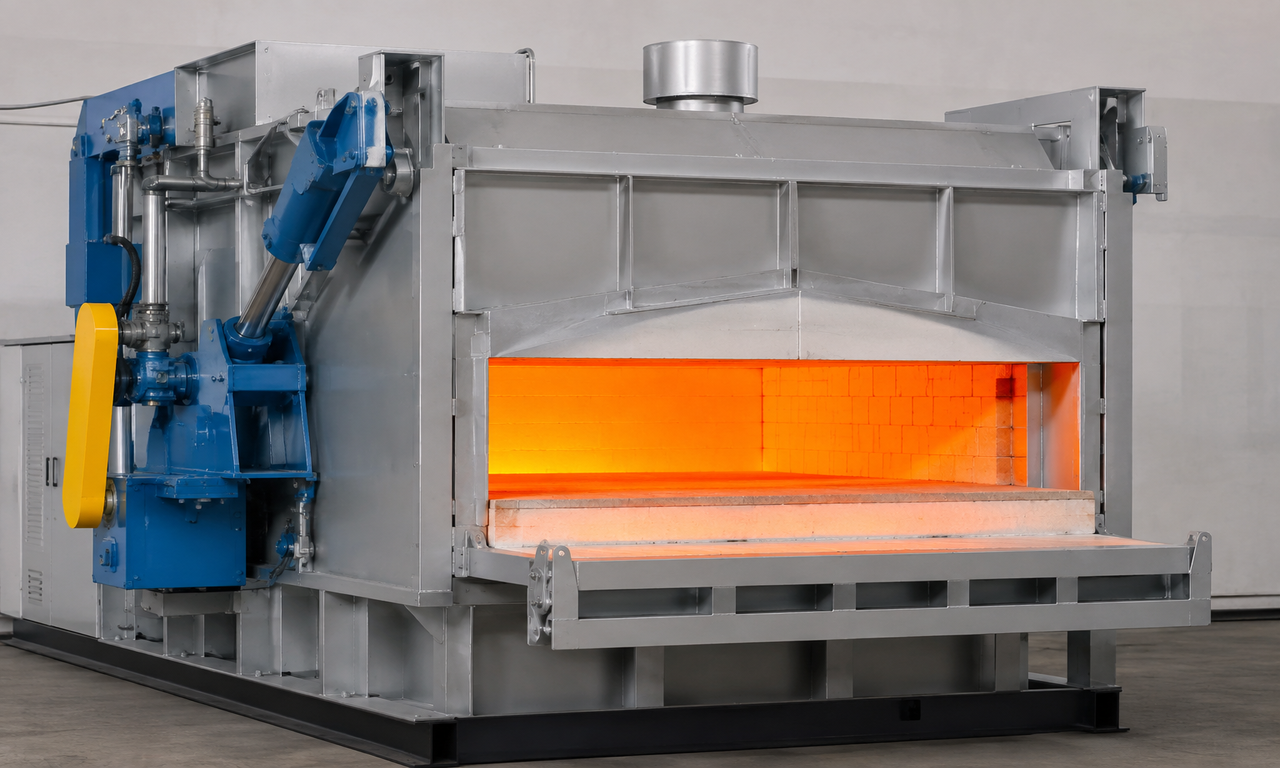
Modulating Furnaces
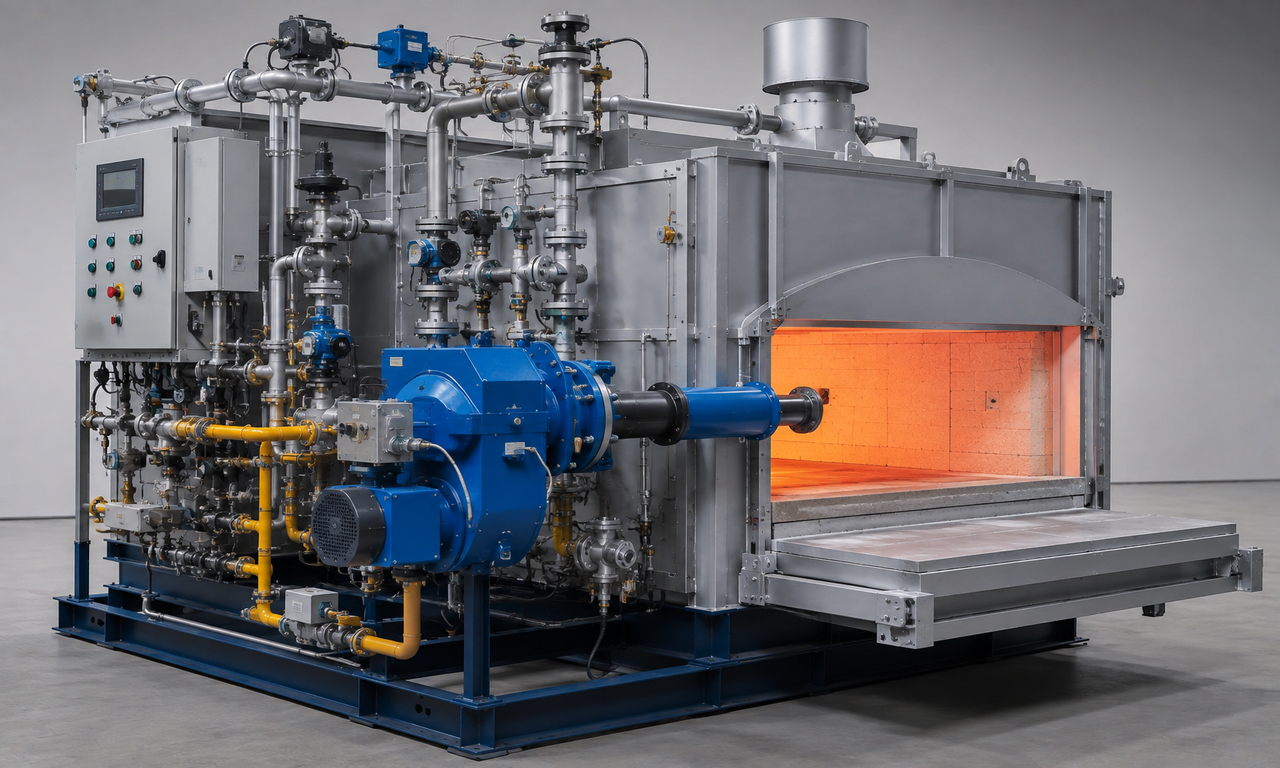
A Modulating furnaces provide optimal heat output based on your home’s needs, increasing energy efficiency, comfort and reducing unnecessary energy use.
Key comparison criteria
Do not compare models on price alone. The relevant decision factors for this collection include:
- Overview
- product types
- sizing
- efficiency
- durability
- maintenance
- cost
- best applications
Use the total-cost view
Evaluate purchase price together with installation, energy use, routine service, likely repairs, replacement intervals and any supporting equipment the system requires.
Proper load calculations and installation quality can affect comfort and operating cost as much as the product label.
Ready to compare the right subtype?
Open a guide above, or contact us with your property and comfort requirements.