
Exhaust Fans: types, performance, lifespan and cost
Compare the main exhaust fans types by installation location, airflow path, mounting method, and duty level, then choose the guide that matches your building, climate and operating priorities.
How this collection is organised
This category hub explains the main decisions involved in selecting exhaust fans. Use the six subtype guides below to compare equipment design, performance, efficiency, durability, maintenance and installation needs.
Primary division basis: Installation location, airflow path, mounting method, and duty level.
What every guide covers
- Product overview and operating principle
- Sizing and performance accuracy
- Efficiency and operating cost
- Lifespan and maintenance expense
- Installation complexity and best applications
Explore the six Exhaust Fans types
Select a subtype for a focused comparison and buying guide.
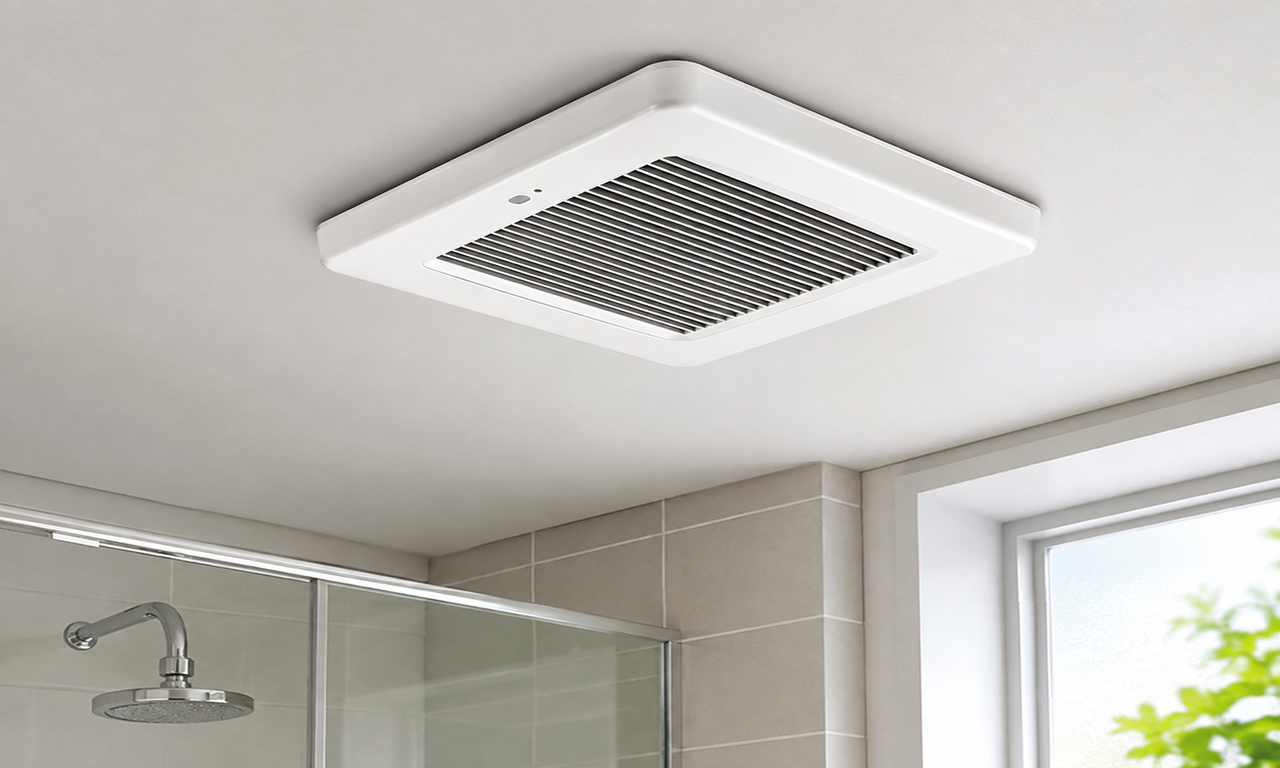
Bathroom Exhaust Fans
Bathroom exhaust fans help ensure bathrooms remain dry, comfortable environments by extracting moisture, odors, and stale air from bathrooms.
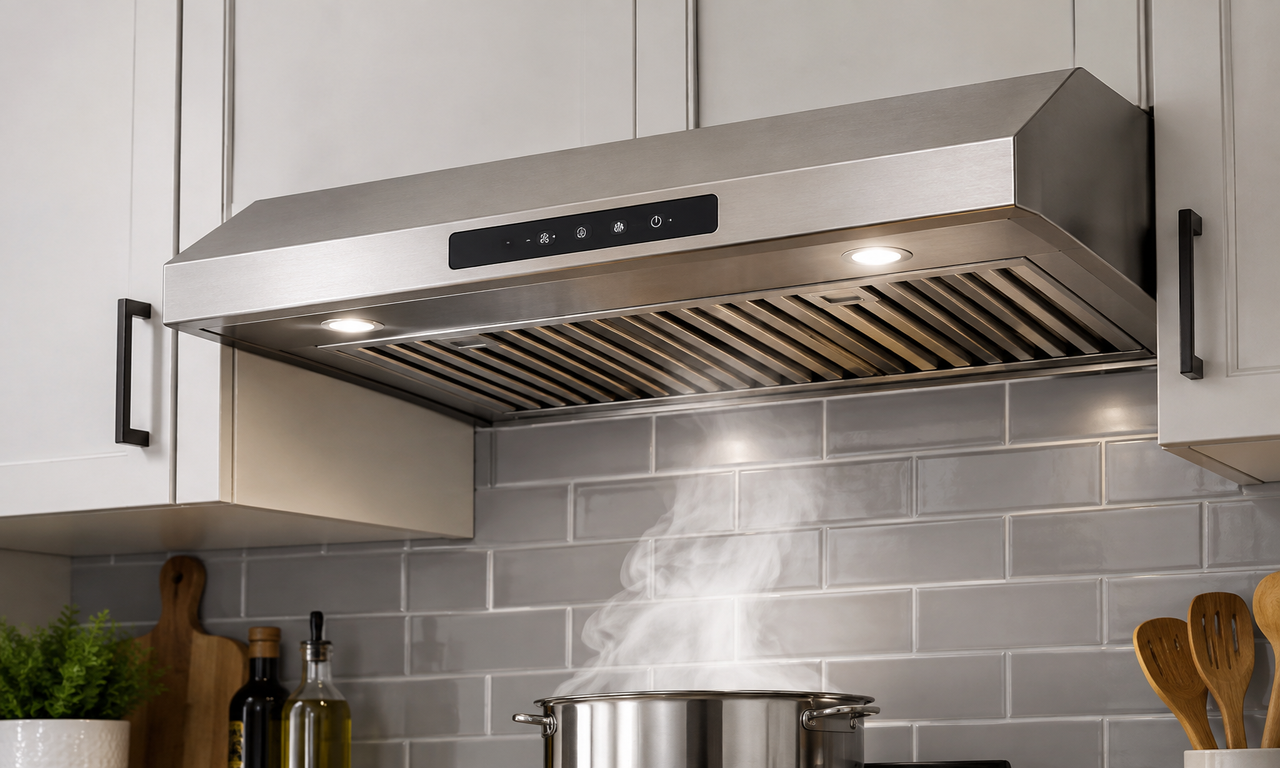
Kitchen Exhaust Fans
Kitchen exhaust fans remove smoke, heat, odors and grease to ensure fresh, clean kitchen environments for optimum living and working environments.
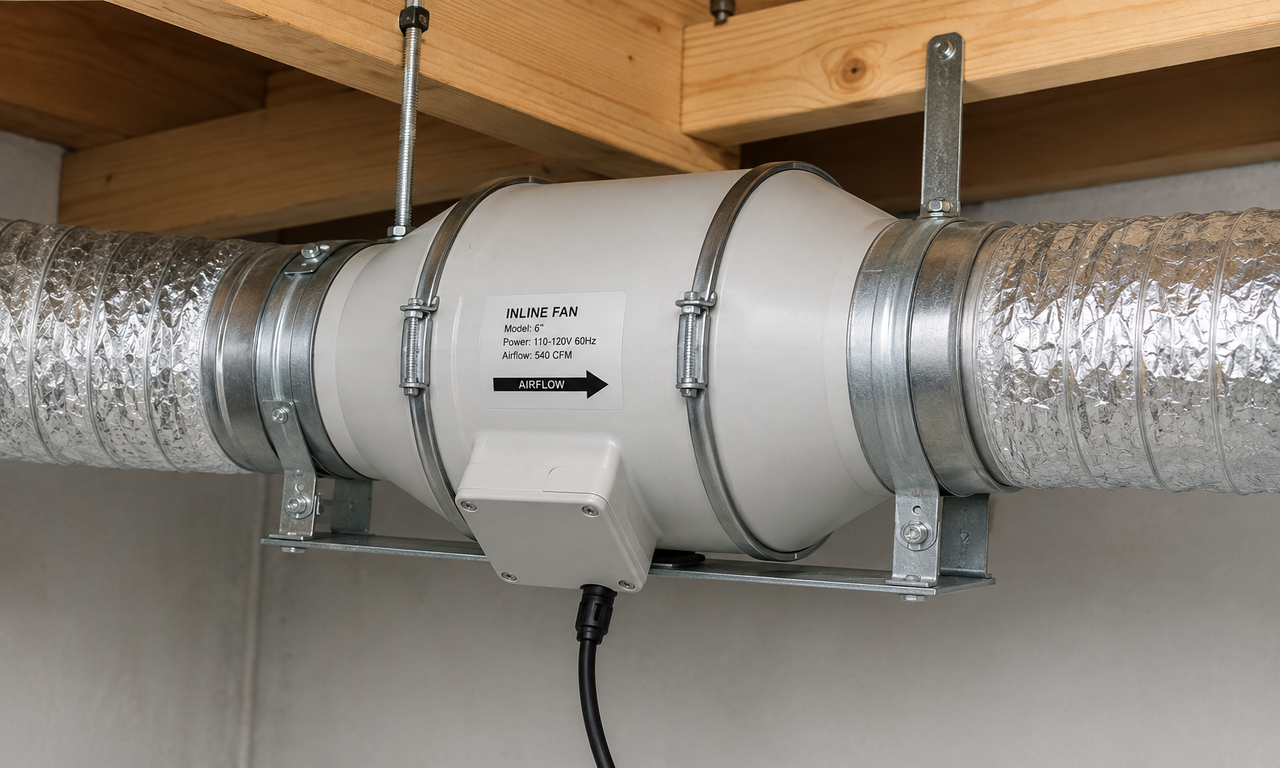
Inline Exhaust Fans
Inline exhaust fans efficiently remove stale air, moisture, and odors through ductwork, supporting better ventilation and healthier indoor environments.
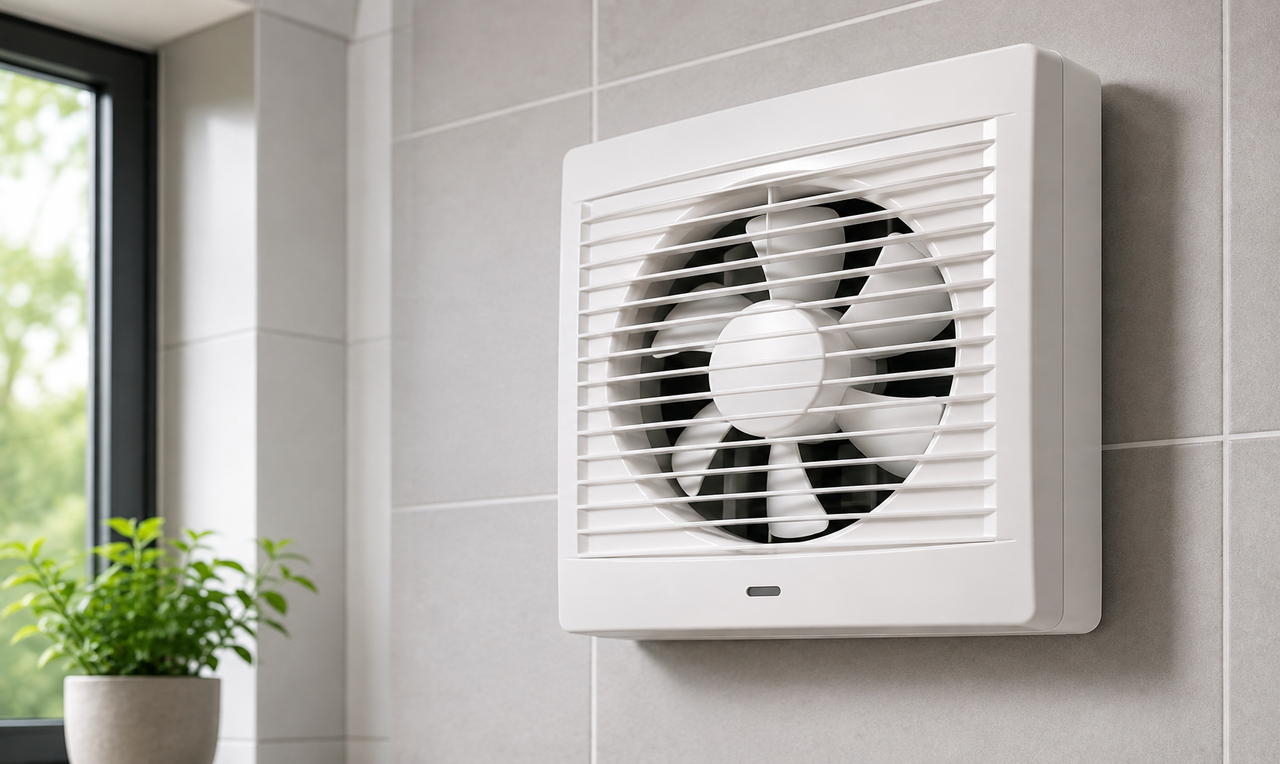
Wall-Mounted Exhaust Fans
Wall-mounted exhaust fans remove stale air, moisture, heat, and odors efficiently, improving ventilation and maintaining fresher, healthier indoor spaces.
Roof Exhaust Fans
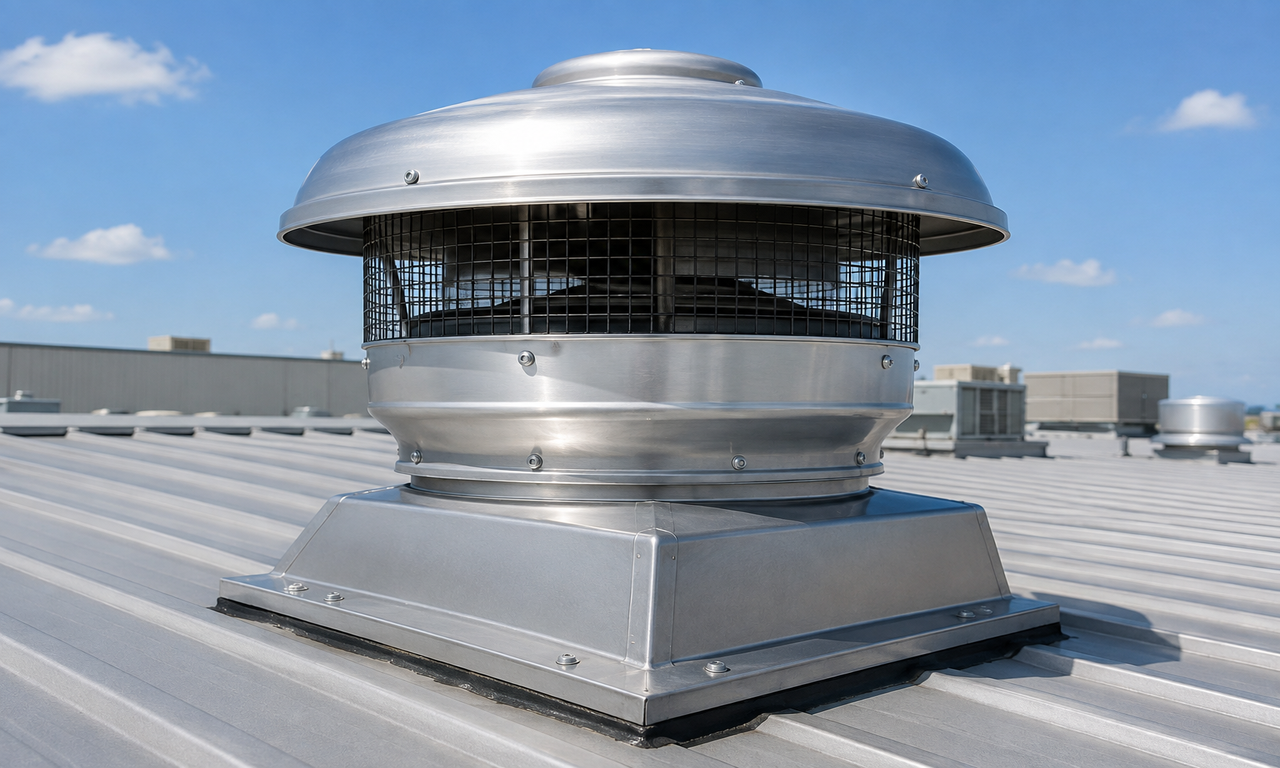
Roof exhaust fans provide efficient ventilation in commercial and industrial spaces by extracting heat, moisture and stale air through roof ventilation systems.
Commercial Exhaust Fans
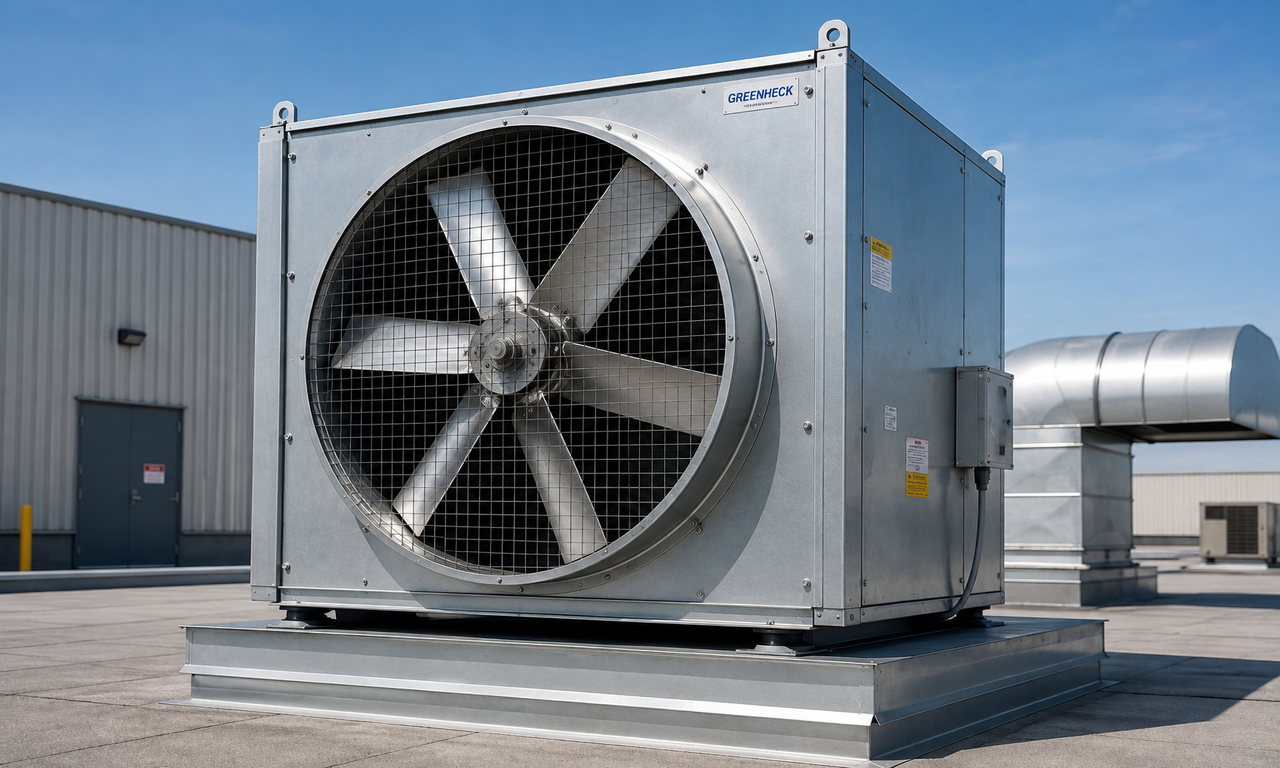
Commercial exhaust fans efficiently remove heat, moisture, odors, and stale air, supporting healthier, more comfortable, and well-ventilated commercial spaces.
Key comparison criteria
Do not compare models on price alone. The relevant decision factors for this collection include:
- Overview
- product types
- sizing
- efficiency
- durability
- maintenance
- cost
- best applications
Use the total-cost view
Evaluate purchase price together with installation, energy use, routine service, likely repairs, replacement intervals and any supporting equipment the system requires.
Proper load calculations and installation quality can affect comfort and operating cost as much as the product label.
Editorial and safety note
Ready to compare the right subtype?
Open a guide above, or contact us with your property and comfort requirements.