
How ductless mini-splits work
A refrigerant line links an outdoor unit to one or more indoor heads, letting each zone condition its own air.
Performance in a real building depends on the equipment, the distribution path and the installation. Compare a specific product's published specifications with the needs of the room or building before treating a retail listing as a complete solution.
Types and configurations
Single-zone and multi-zone systems with wall, floor, ceiling cassette or concealed duct indoor units.
Different configurations can share a category name while having very different electrical, duct, piping and control requirements. Confirm the exact model and components included in any quote.
Where they are used
Rooms without ducts, additions, and zoned homes. A professional assessment should establish the required capacity and identify any site constraints, especially for permanently installed equipment.
What to compare
Compare each zone’s load, matched combination rating, line-set limits, voltage and low-temperature heating output.
Number of zones, capacity, voltage, cold-weather output, and line-set length. Review warranty conditions and installation requirements along with the headline rating.
Technical details that matter
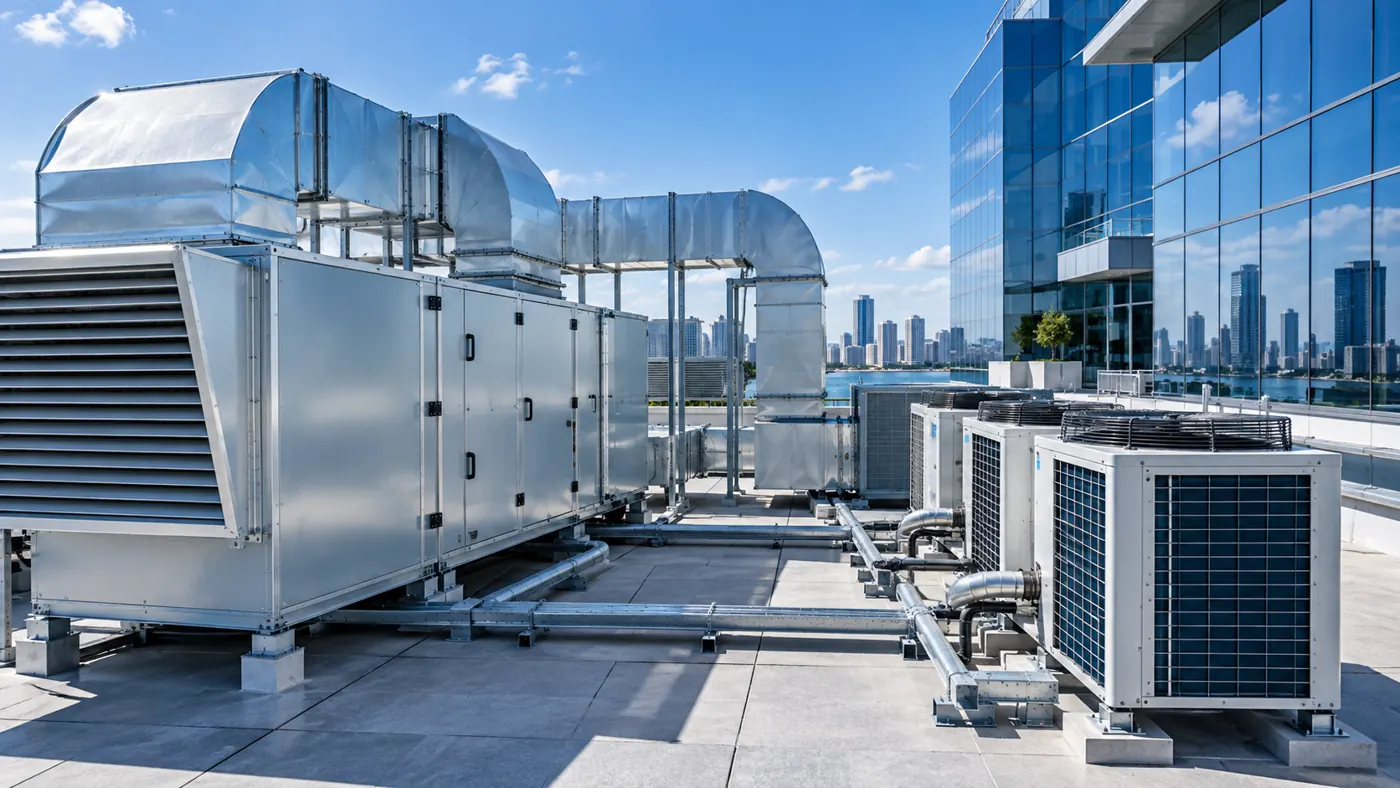
A single-zone mini-split pairs one outdoor unit with one indoor unit. Multi-zone combinations may have different published efficiency and capacity ratings from their individual components. Refrigerant lines, electrical supply, condensate removal and wall placement are part of the installation.
Example application
A room with 12,000 BTU/h of nominal equipment capacity may not have a 12,000 BTU/h design load. Confirm loads, the matched model combination and heating output at local winter conditions where heat is needed.
Installation and ownership
Allow for equipment, compatible components, labor, controls, site work and any local requirements in the total cost. Published retailer prices represent the stated equipment only unless the listing explicitly includes more.
Clean indoor filters, keep outdoor coils unobstructed and check the condensate path.
Source
US Department of Energy: Heat Pump Systems ↗
Continue exploring
Heat pumps
Move heat between indoors and outdoors to heat and cool a building. Air-source systems can serve existing ducts or a ductless indoor unit.
Explore collection ↗COOLINGCentral air conditioners
Use an outdoor unit and indoor coil to cool air delivered through ducts.
Explore collection ↗COOLINGWindow air conditioners
A single unit sits in a compatible window and cools one room.
Explore collection ↗