
How heat pumps work
A reversible refrigeration cycle transfers heat into the building in winter and outdoors in summer.
Performance in a real building depends on the equipment, the distribution path and the installation. Compare a specific product's published specifications with the needs of the room or building before treating a retail listing as a complete solution.
Types and configurations
Air-to-air ducted, ductless mini-split, air-to-water and ground-source systems.
Different configurations can share a category name while having very different electrical, duct, piping and control requirements. Confirm the exact model and components included in any quote.
Where they are used
Homes seeking one system for heating and cooling. A professional assessment should establish the required capacity and identify any site constraints, especially for permanently installed equipment.
What to compare
Compare heating output at your local design temperature, not cooling capacity alone. Matched-system SEER2 and HSPF2 ratings matter, as do duct condition and controls.
Climate performance, heating capacity at low temperatures, HSPF2, SEER2, and backup heat. Review warranty conditions and installation requirements along with the headline rating.
Technical details that matter
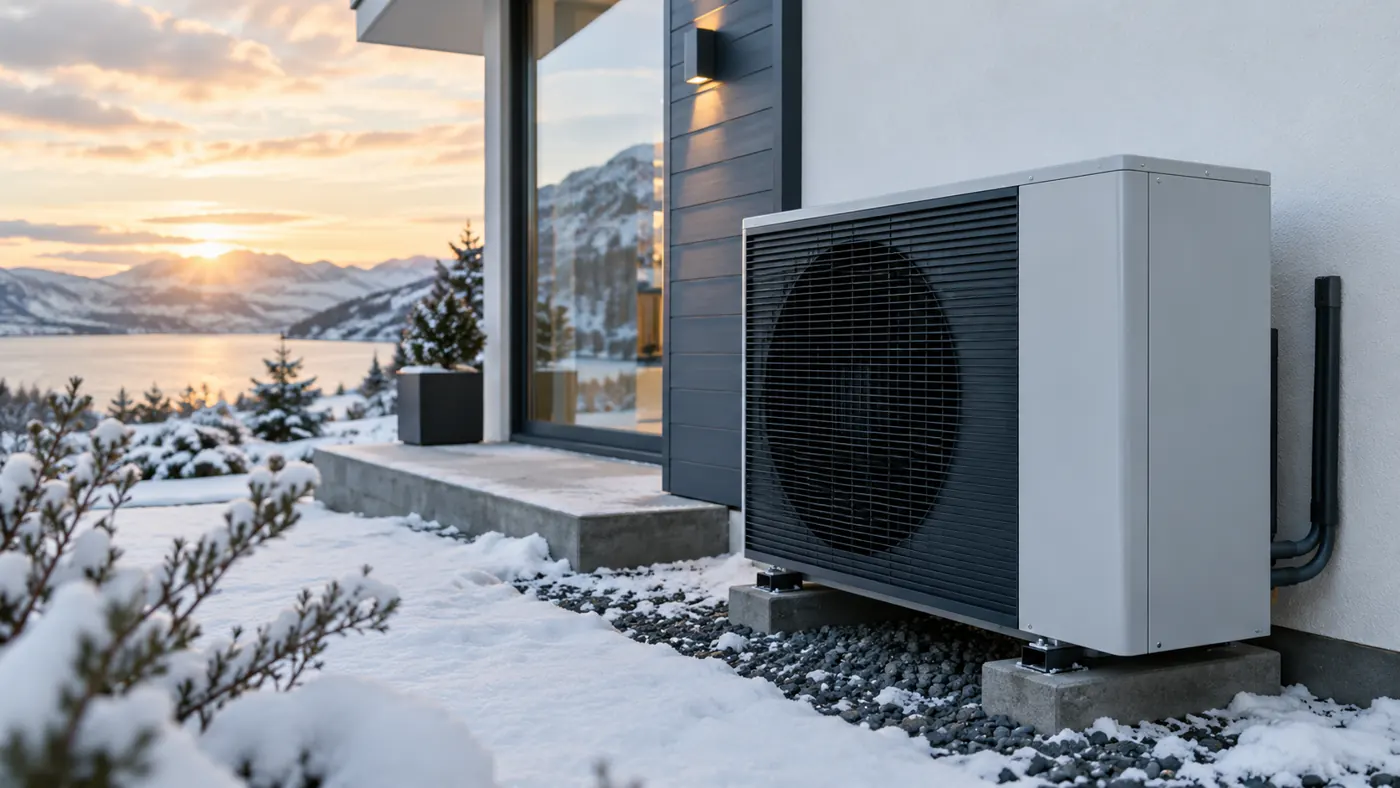
The outdoor temperature changes both heating capacity and efficiency. A cold-climate designation is useful only alongside the rated capacity at the relevant outdoor temperature. A ducted system also needs an indoor air handler and compatible ducts; a ductless model needs its specified indoor head. An air-to-water model belongs in a hydronic design, not a standard forced-air duct.
Example application
A heat pump that lists 36,000 BTU/h nominal cooling should not be assumed to deliver the same heating output on the coldest design day. Read the manufacturer’s low-temperature capacity table and match it to a building load calculation.
Installation and ownership
Allow for equipment, compatible components, labor, controls, site work and any local requirements in the total cost. Published retailer prices represent the stated equipment only unless the listing explicitly includes more.
Clean or change filters; keep outdoor airflow clear; arrange periodic professional checks of the refrigerant circuit and condensate drainage.
Source
US Department of Energy: Heat Pump Systems ↗