
How packaged hvac units work
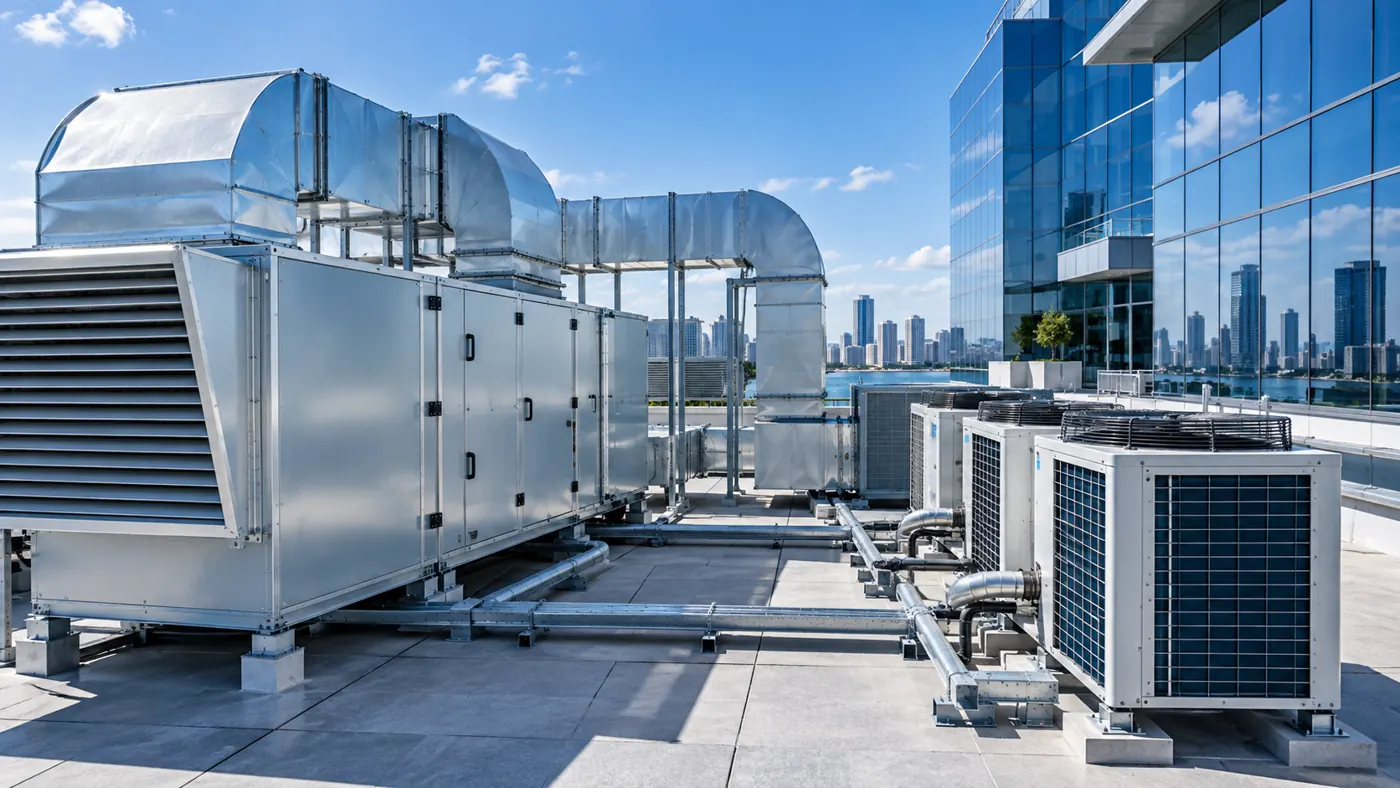
Heating and cooling equipment sit in one outdoor cabinet, connected to building ductwork.
Performance in a real building depends on the equipment, the distribution path and the installation. Compare a specific product's published specifications with the needs of the room or building before treating a retail listing as a complete solution.
Types and configurations
Packaged air conditioners, heat pumps and gas-electric systems.
Different configurations can share a category name while having very different electrical, duct, piping and control requirements. Confirm the exact model and components included in any quote.
Where they are used
Buildings designed for a packaged installation. A professional assessment should establish the required capacity and identify any site constraints, especially for permanently installed equipment.
What to compare
Confirm roof or ground support, duct transitions, electrical or fuel supply, efficiency and service access.
Footprint, fuel, duct connections, efficiency, and service access. Review warranty conditions and installation requirements along with the headline rating.
Technical details that matter
A packaged unit contains major heating and cooling components in one cabinet, commonly outdoors or on a roof. It still needs a correctly designed duct connection and controls. Gas-electric packages, heat-pump packages and cooling-only packages have materially different fuel and heating arrangements.
Example application
An existing rooftop curb, structure, service clearance and duct openings should be measured before choosing a replacement. A published cabinet size alone does not establish drop-in compatibility.
Installation and ownership
Allow for equipment, compatible components, labor, controls, site work and any local requirements in the total cost. Published retailer prices represent the stated equipment only unless the listing explicitly includes more.
Inspect cabinet seals, filters, coils and drains and arrange scheduled service.
Source
US Department of Energy: Central AC and Heat Pumps ↗
Continue exploring
Central air conditioners
Use an outdoor unit and indoor coil to cool air delivered through ducts.
Explore collection ↗COOLINGDuctless mini-splits
Connect an outdoor unit to one or more indoor units for targeted cooling; heat-pump models also heat.
Explore collection ↗COOLINGWindow air conditioners
A single unit sits in a compatible window and cools one room.
Explore collection ↗