
How air ducts work
Supply ducts deliver conditioned air and return ducts take it back to the air handler.
Performance in a real building depends on the equipment, the distribution path and the installation. Compare a specific product's published specifications with the needs of the room or building before treating a retail listing as a complete solution.
Types and configurations
Sheet-metal, flexible and insulated duct systems.
Different configurations can share a category name while having very different electrical, duct, piping and control requirements. Confirm the exact model and components included in any quote.
Where they are used
Ducted heating and cooling systems. A professional assessment should establish the required capacity and identify any site constraints, especially for permanently installed equipment.
What to compare
Duct sizing, sealing, insulation and routing affect delivered comfort and system efficiency.
Sizing, leakage, insulation, access, and cleaning needs. Review warranty conditions and installation requirements along with the headline rating.
Technical details that matter
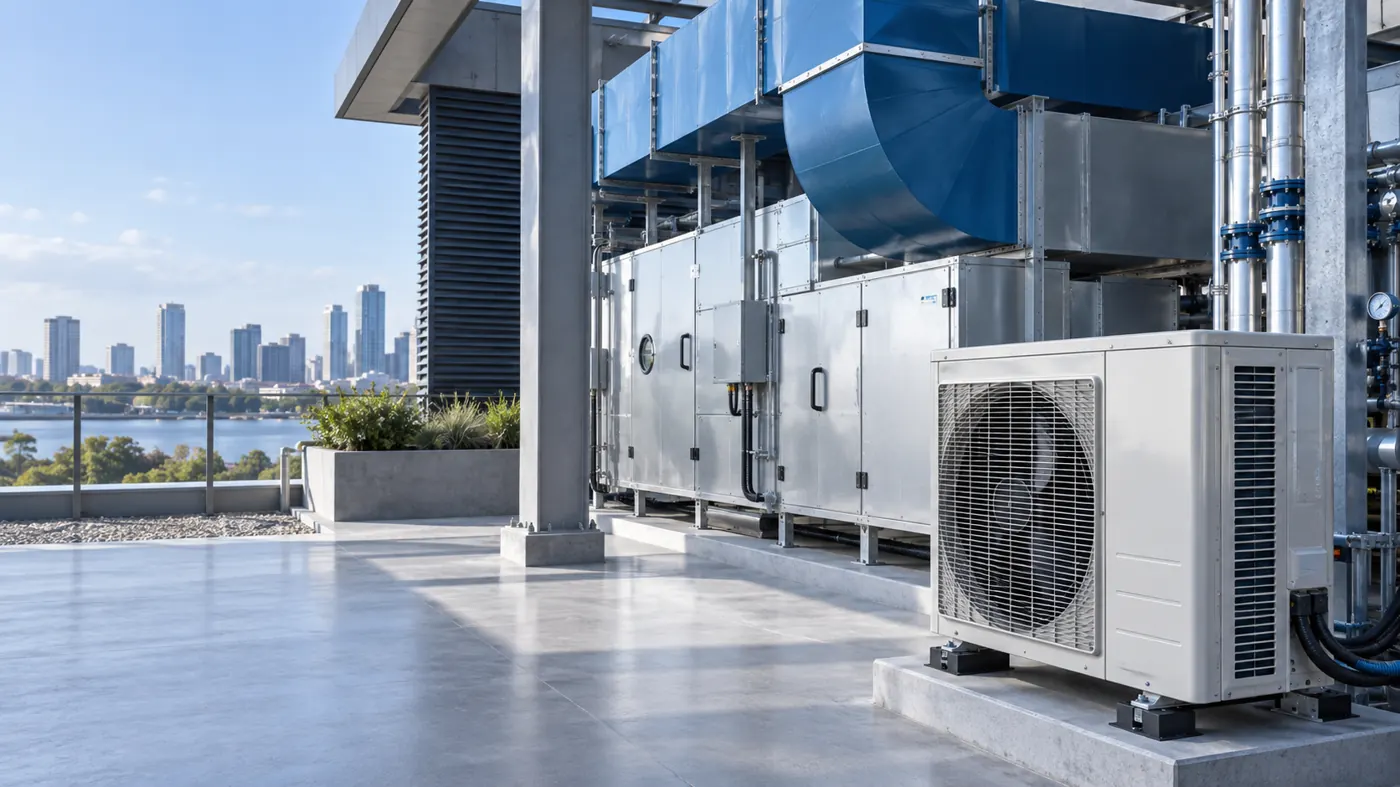
Supply and return ducts form a circuit. Leaks in an attic or crawl space can lose conditioned air and draw unwanted air into the system. Insulation reduces heat gain or loss across the duct wall, while correct sizing limits noise and resistance.
Example application
A cold room can be caused by an undersized branch, leakage or a restricted return rather than insufficient condenser capacity. Inspect the distribution before replacing the central unit.
Installation and ownership
Allow for equipment, compatible components, labor, controls, site work and any local requirements in the total cost. Published retailer prices represent the stated equipment only unless the listing explicitly includes more.
Inspect accessible runs for damage or leaks and replace filters to protect the system.
Source
US Department of Energy: Minimizing Duct Losses ↗
Continue exploring
Exhaust fans
Remove moisture, odors, or pollutants from a specific room.
Explore collection ↗VENTILATIONWhole-house ventilation
Bring in outdoor air and remove stale indoor air using a planned ventilation strategy.
Explore collection ↗VENTILATIONHeat recovery ventilators
Exchange indoor and outdoor air while transferring some heat between the airstreams.
Explore collection ↗