
The distribution difference
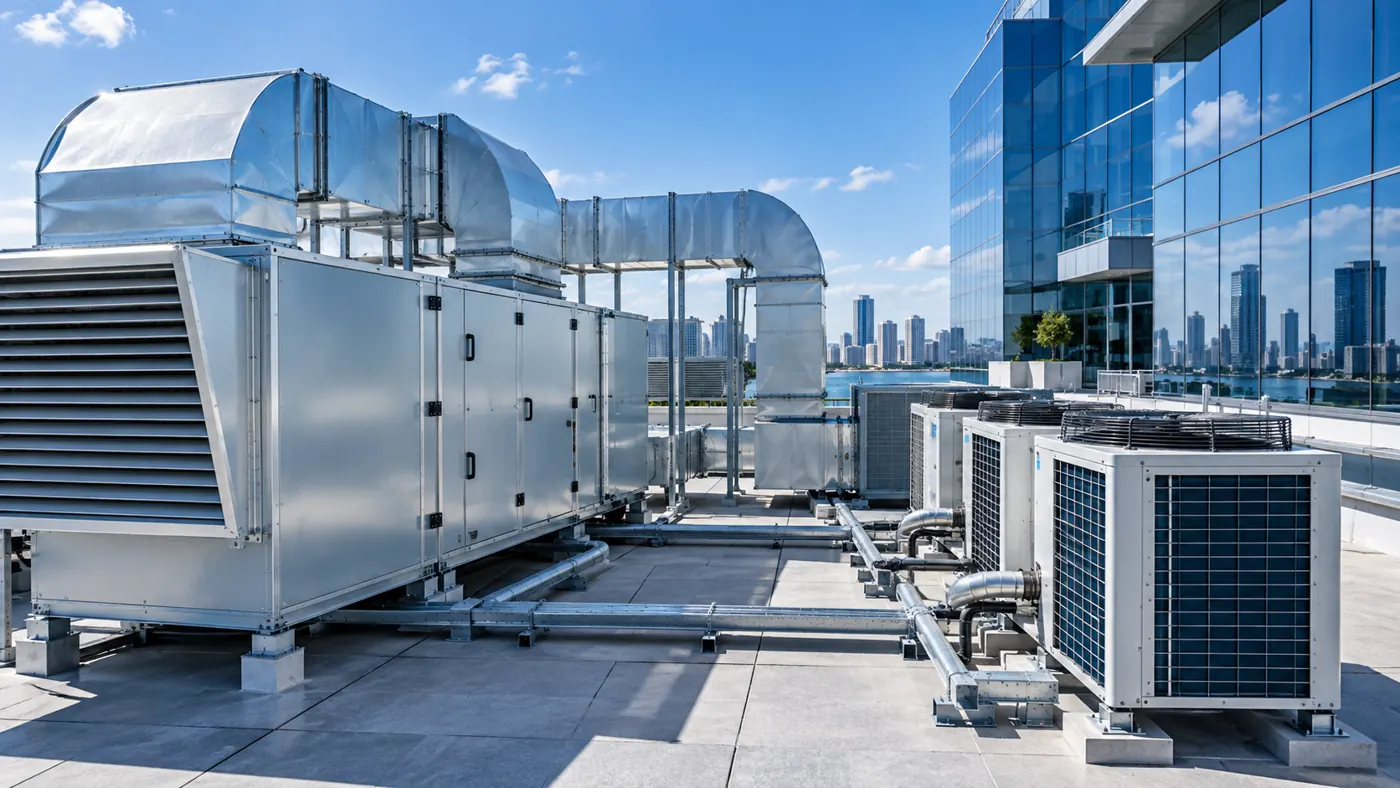
Central air conditioning uses ducts and registers to serve many rooms from a central air handler. A mini-split typically delivers air directly from indoor units to selected zones. Both use a refrigeration circuit and an outdoor component.
When central AC is practical
A building with well-designed, accessible ducts can use central cooling without placing an indoor unit in each room. Ask an installer to check supply and return airflow, leakage and insulation; duct condition affects comfort as much as the condenser specification.
When mini-splits are practical
A room addition, older home without ducts or a space with unusual schedules may benefit from a ductless zone. Plan the indoor-unit location, line-set route, condensate disposal and exterior-unit placement before comparing quoted prices.
Comparing total cost
A retail price may list only one component. Compare the full set of indoor and outdoor equipment, controls, electrical work, duct work if needed, installation and commissioning. Also compare efficiency ratings of the matched configuration.
Sources and further reading
- US Department of Energy: Heat Pump Systems
- US Department of Energy: Central Air Conditioners and Heat Pumps